

In our interconnected world, global events often have direct and indirect effects on local communities, including those in Minnesota. Recent international developments have significantly influenced the state’s economy and cultural activities.
Economic Impacts of Global Trade Dynamics
Global trade fluctuations have notably affected Minnesota’s export economy. In the second quarter of 2025, the state experienced a $1.3 billion decline in exports, marking a 19% decrease compared to the same period in 2024. This downturn was largely due to a significant drop in mineral fuel and oil exports to Canada, which fell by 96%, amounting to a $703 million reduction. Additionally, exports to Mexico and China, Minnesota’s second and third largest markets, decreased by over 20% each. Conversely, the state saw increased exports to European countries such as Ireland, the United Kingdom, Germany, and Switzerland, indicating a shift in trade partnerships.
Federal Immigration Policies and Local Economies
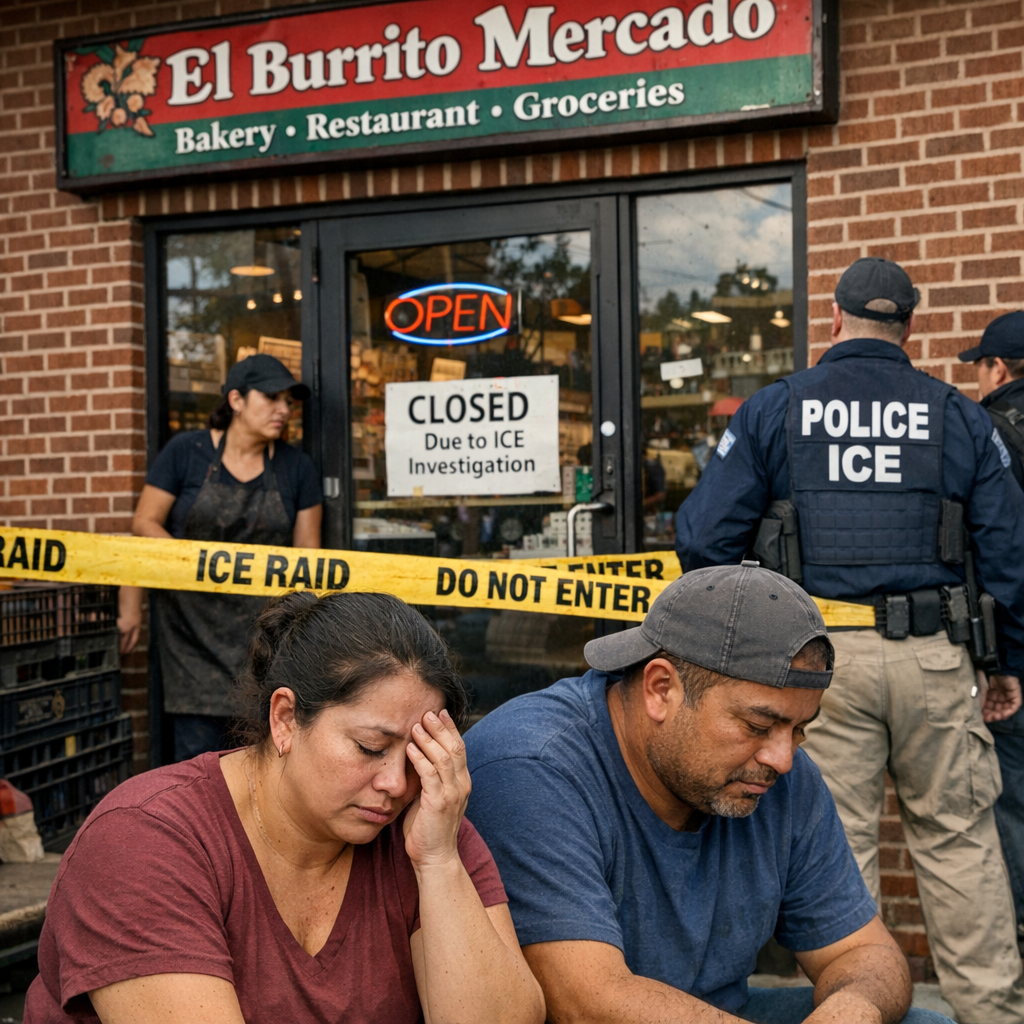
Federal immigration enforcement actions have also had profound effects on Minnesota’s local economies. The deployment of thousands of federal agents as part of Operation Metro Surge led to widespread fear and uncertainty, particularly among immigrant communities. This atmosphere resulted in reduced foot traffic, staffing challenges, and lost revenue for many small businesses. Governor Tim Walz highlighted the detrimental impact on local businesses, emphasizing that fear and uncertainty are undermining the hard work of business owners and affecting the broader economy.
Cultural Celebrations Amid Global Challenges
Despite these challenges, Minnesota continues to celebrate its cultural diversity. The International Festival of Minnesota, formerly known as the Festival of Nations, returned to Saint Paul in April 2026 after a seven-year hiatus. The reimagined festival featured participation from 67 nations and ethnic communities, offering global cuisine, artisan goods, and music and dance performances. Such events underscore the state’s commitment to fostering understanding and celebrating the cultural traditions that shape its communities.
These instances illustrate how global events and policies can have tangible effects on local economies and cultural landscapes. As Minnesota navigates these challenges, the resilience and adaptability of its communities remain evident.