

The U.S. economy is currently experiencing a complex mix of growth and challenges. Recent data indicates that while the economy is expanding, certain sectors are facing headwinds that could have implications for communities nationwide, including here in Waconia.
Inflation and Consumer Spending
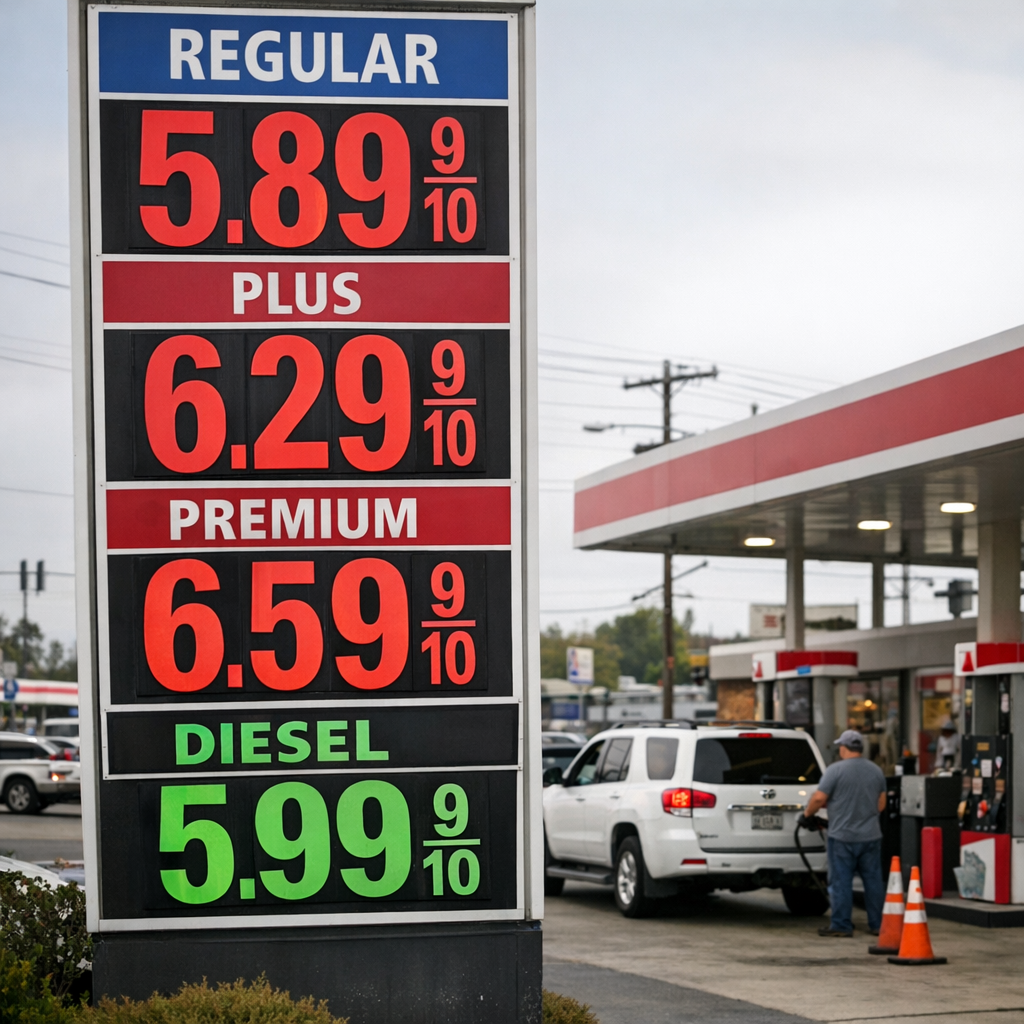
Inflation has been a persistent concern, with rates rising to 3.8% in April, marking the highest level in three years. This uptick is largely attributed to increased energy costs following geopolitical tensions, notably the military conflict with Iran that began in February. The closure of the Strait of Hormuz has led to a surge in energy prices, with average gas prices exceeding $4.50 per gallon nationally and some states seeing prices above $5. This escalation in fuel costs has a cascading effect on consumer goods and services, potentially impacting household budgets in Waconia and beyond.
Federal Reserve Policies
In response to these economic pressures, the Federal Reserve has adjusted its monetary policies. The International Monetary Fund (IMF) has noted that the U.S. economy is poised for accelerated growth, with GDP projected to grow by 2.4% in the fourth quarter of 2026. However, the IMF also warns of risks associated with rising federal budget debts, which could pose stability challenges. The Federal Reserve’s decisions on interest rates will be crucial in balancing growth and inflation control.
Local Implications
For residents of Waconia, these national economic trends can have tangible effects. Higher fuel prices may lead to increased costs for commuting and goods, while inflation can erode purchasing power. It’s essential for local businesses and consumers to stay informed and adapt to these evolving economic conditions.
As we navigate these uncertain times, staying engaged with both national developments and local economic indicators will be key to making informed decisions for our community’s well-being.