

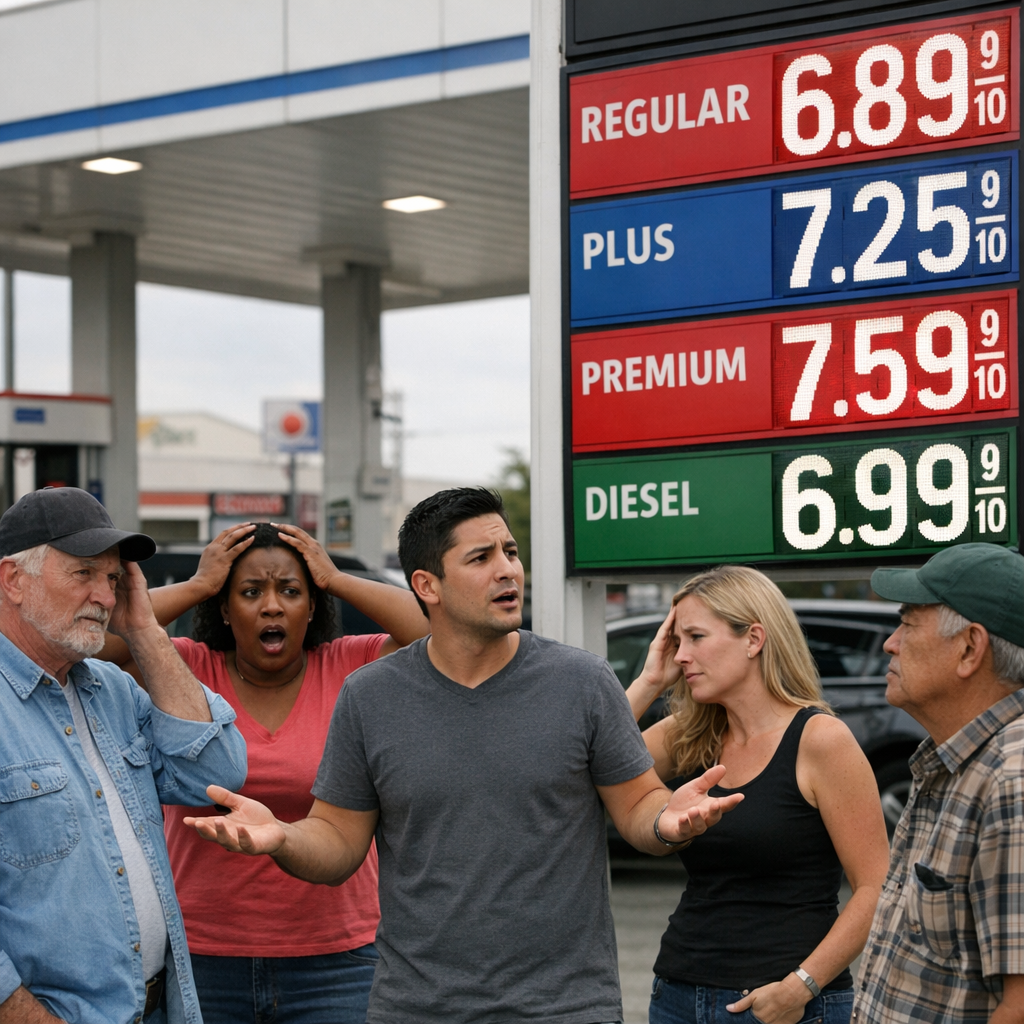
As the nation navigates a complex economic and political environment, recent developments have sparked widespread discussion and concern.
Economic Challenges Amid Rising Inflation
Recent data indicates a significant rise in inflation, with April’s rate reaching 3.8%, the highest in three years. This surge is largely attributed to escalating energy costs following the military conflict with Iran, which began in February. The closure of the Strait of Hormuz has led to national average gas prices exceeding $4.50 per gallon, with some states experiencing prices above $5. This economic strain has resulted in 70% of Americans feeling “angry” or “frustrated” about the current economic situation.
Political Landscape and Public Sentiment
In the political arena, President Donald Trump’s handling of the economy has come under scrutiny. A recent CBS News/YouGov poll reveals that only 11% of Americans are “enthusiastic” about his economic policies, while 19% are “satisfied.” Conversely, 38% feel “frustrated,” and 32% are “angry.” These sentiments could have significant implications for the upcoming midterm elections, as economic concerns often influence voter behavior.
Environmental Policy and Regulatory Changes
On the environmental front, the U.S. Environmental Protection Agency (EPA) has proposed delaying the enforcement of regulations requiring significant cuts in vehicle air pollution. This move has sparked debate among environmental groups and industry stakeholders, highlighting the ongoing tension between economic interests and environmental protection.
Looking Ahead
As these economic and political dynamics continue to evolve, it is crucial for citizens to stay informed and engaged. Understanding the interplay between policy decisions and their real-world impacts can empower individuals to participate meaningfully in the democratic process and advocate for policies that align with their values and interests.